Flood Recovery Resources for Farms
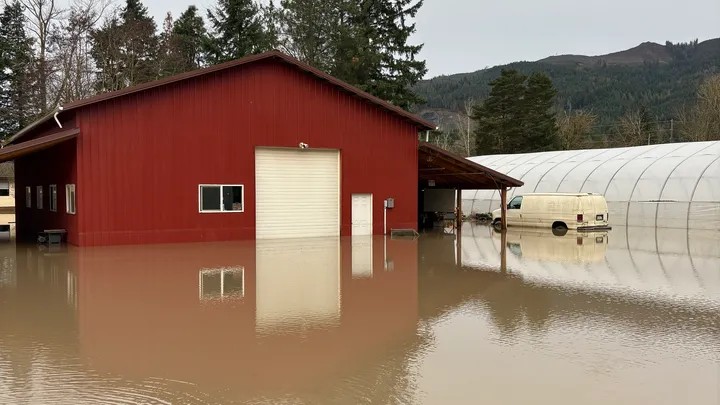
The floodwaters have receded, but the recovery efforts have barely begun for most farms.
If your farm has been affected by flooding in Western Washington, you are eligible for help. Below is a list of organizations and government entities that provide help to farmers affected by natural disasters.
Please remember to take pictures before recovery begins, document everything lost, and be safe, and wear proper protective gear when handling materials contaminated by floodwater.
Private Support Organizations
- Snoqualmie Valley Preservation Alliance (SVPA) Farmer Flood Relief Fund: Snoqualmie, Snohomish, & Skykomish River Basins
- 100% of donations to the Farmer Flood Relief Fund will be distributed directly back to farms as micro-grants. These funds provide rapid, flexible support during a critical window, helping farms begin cleanup, make urgent repairs, and stabilize operations. Recovery is a long road, and in this moment, we are mobilizing our passionate, supportive, and generous community to stand with farmers and help them take the first steps forward.
- Seattle Neighborhood Farmers Markets Good Farmer Fund
- The Good Farmer Fund supports direct-to-consumer farmers who currently sell in the Neighborhood Farmers Markets. Donations to the Good Farmer Fund directly support farmers in crisis, helping them rebuild and sustain local food systems.
- Pike Place Market Farm Fund
- Since the 1990s, the Market Foundation has extended emergency grants to farmers facing severe financial strains, supporting Pike Place Market’s original mission to provide a place for farmers to sell directly to customers. The Market Foundation Farm Fund will offset farmers’ equipment and material costs, promoting efficiency and sustainability for these small family farms.
- FarMore Fund
- The fund aids farmers hit by disasters that can impact agricultural production including fire, flood, drought, pandemics, broken supply chain, climate change and other emergencies. The fund is open to all farmers & fishers who regularly sell at the Ballard, Madrona, Wallingford, Madison Park and South Lake Union farmers markets in Seattle.
- Emergency Operations Center – The National Tribal Emergency Management Council, with the United States Volunteers Joint Services Command, Light House Gardens, and Farmer Frog
- The Emergency Operations Center is responding to the flood recovery focusing first on the Snohomish area. Already we have helped with search and rescue operations, secured temporary housing for evacuees, food and supplies for animals, and much more. People need help with clean and dry straw and hay for their animals, some fencing repair, clothing, drinking water, and hygiene items. If people want to engage, they can contact us at grow@farmerfrog.org and also at givebacksnohomish@gmail.com.
- Duvall Flood Relief Fund
- Financial donations support families and farms with cleanup costs, essential replacements, and gaps not covered by insurance or emergency aid. Immediate needs also include pre-made meals, bottled water, shop vacs, floor dryers, dehumidifiers, and cleaning supplies. Supplies should be coordinated through the local volunteer sign up to ensure proper distribution.
- Community Food Coop Farm Fund
- Community Food Co-op maintains its Farm Fund as a financial resource for the local farming community. It is funded through a portion of the Co-op’s annual budget, as well as by donations from members and shoppers. Due to the recent flooding events, we are redirecting all money to support the cleanup and rebuilding efforts of local farms. Folks can donate online or at the register at both Co-op locations.
- Whatcom Small Business Recovery Fund
- Supporting flood impacted small businesses in Whatcom County
State, County, and Municipal Resources
- Washington Department of Ecology – Floodplain Planning
- WA Emergency Management Division
- WSDA Emergency Management
- County Emergency Management Offices – shelters, supplies, and local recovery information. Check in with your local Emergency Management contacts to see what help is available to you.
- Local Conservation Districts – technical and recovery support. Find your local conservation district and reach out to find out what help is available.
Federal Resources
FSA
- USDA Farm Service Agency (FSA) – Emergency Loans, ECP, TAP, and ELAP programs.
- Livestock Indemnity Program (LIP) provides benefits to livestock producers for livestock deaths in excess of normal mortality caused by adverse weather or by attacks by animals reintroduced into the wild by the federal government. Learn more about LI
- Emergency Assistance for Livestock, Honeybees, and Farm-Raised Fish (ELAP) provides emergency assistance to eligible producers of livestock, honeybees and farm-raised fish for losses due to disease (including cattle tick fever), adverse weather, or other conditions, such as blizzards and wildfires, not covered by LFP and LIP. Learn more about ELAP
- Emergency Livestock Relief Program (ELRP) – provides livestock producers, who have approved applications through the 2021 Livestock Forage Disaster Program for forage losses due to severe drought or wildfire, emergency relief payments to compensate for increases in supplemental feed costs. No producer applications required. ?
USDA Farm Loans
- Emergency Loan Program provides loans to help producers recover from production and physical losses due to drought, flooding, other natural disasters, or quarantine by animal quarantine laws or imposed by the Secretary under the Plant Protection Act.
- Disaster Set-Aside Program provides producers who have existing direct loans with FSA who are unable to make the scheduled payments to move up to one full year’s payment to the end of the loan. Assistance is available in counties, or contiguous counties, who have been designated as emergencies by the President, Secretary or FSA Administrator.
Farmland damage
- Emergency Conservation Program (ECP) helps farmers and ranchers repair damage to farmlands caused by natural disasters and helps put in place water conservation methods during severe drought. Learn more about ECP.
Crop Losses
- Noninsured Disaster Assistance Program (NAP) pays covered producers of covered noninsurable crops when low yields, loss of inventory, or prevented planting occur due to natural disasters (includes native grass for grazing). Eligible producers must have purchased NAP coverage for the current crop year. Learn more about NAP.
- Tree Assistance Program (TAP) provides financial assistance to qualifying orchardists and nursery tree growers to replant or rehabilitate eligible trees, bushes, and vines damaged by natural disasters. Learn more about TAP.
Additional Resources
- Disaster Assistance Discovery Tool
- Disaster-at-a-Glance Fact Sheet
- Farm Loan Discovery Tool
- FSA Fact Sheets
- USDA Disaster Resource Center
- FEMA Individual Disaster Assistance – apply for housing, property damage, and recovery support.